

Am I Using the Oral Irrigator Correctly?
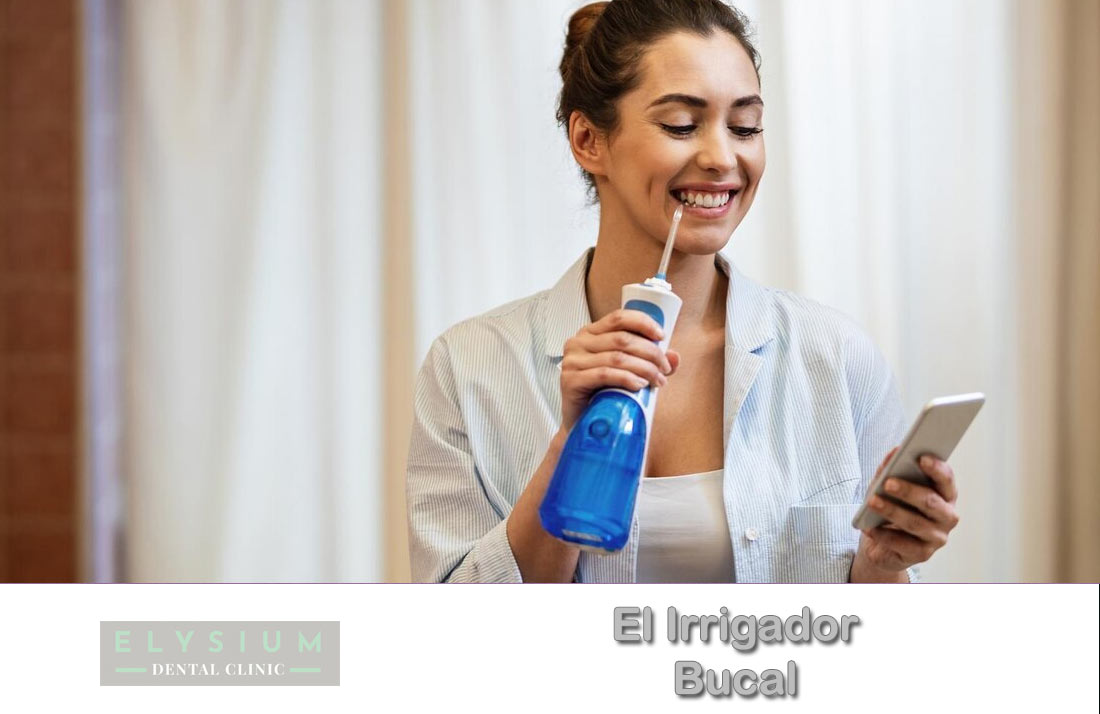
The Definitive Guide if You Use an Oral Irrigator
Oral care is essential for maintaining a healthy smile and preventing dental diseases such as cavities, gingivitis, and periodontitis. Among the tools available to improve our oral hygiene, the oral irrigator has become increasingly popular due to its effectiveness in removing plaque and debris in places difficult to reach with a toothbrush or dental floss. However, it’s important to know how to use it correctly to maximize its benefits. If you have an oral irrigator or are considering getting one, here you’ll find a complete guide to ensure you’re using it the right way.
What is an Oral Irrigator?
An oral irrigator is a device that expels a pressurized stream of water and is used to clean between teeth and along the gum line. The water pressure helps remove food debris,
bacteria, and plaque in areas that are usually difficult to reach. Additionally, some models allow you to adjust the pressure and type of stream, making the irrigator useful for people with different hygiene needs, such as those with orthodontics or dental implants.
Benefits of Using an Oral Irrigator
The correct use of an oral irrigator can provide several benefits:
1. Removal of Plaque and Food Debris: Irrigators are especially useful for cleaning between teeth, where the toothbrush doesn’t easily reach.
2. Prevention of Gum Diseases: It helps reduce the risk of gingivitis and periodontitis by reducing bacteria that lodge along the gum line.
3. Suitable for People with Orthodontics and Implants: Those with braces or prostheses can benefit from its ability to clean in difficult areas.
4. Improves Overall Oral Health: When used along with brushing and flossing, it contributes to a cleaner and healthier mouth.
Steps to Use the Oral Irrigator Correctly
To get the best results, it’s important to follow these steps:
1. Preparation
· Fill the Water Tank: Start by filling the irrigator’s water tank. You can use lukewarm water if you have sensitive gums.
· Adjust the Pressure: Most irrigators allow you to adjust the water stream pressure. If you’re new to using this device, start with low pressure and gradually adjust it to a comfortable level.
· Attach the Nozzle: Make sure to attach the appropriate nozzle for your needs. Some models offer specific nozzles for orthodontics, sensitive gums, or implants.
2. Positioning
Lean your head slightly over the sink and aim the nozzle at the edge of the gum line at a 90-degree angle. This will allow the water to reach both the teeth and gums.
3. Turning On and Cleaning
· Start with the Molars: Activate the irrigator (once inside the mouth) and begin cleaning from the molars, gradually moving towards the front teeth. Keep the nozzle for a couple of seconds in each interdental space.
· Clean the Gum Line: Slide the nozzle along the gum line to clean the area where plaque and bacteria tend to accumulate the most.
· Repeat Throughout the Mouth: Follow the same process on both upper and lower rows of teeth.
4. Finishing and Cleaning the Device
Once finished, turn off the irrigator, empty the water tank, and clean the nozzle according to the manufacturer’s instructions. This will prevent bacteria buildup in the device and prolong its lifespan.
Tips for Using the Oral Irrigator
· Use It Once or Twice a Day: You can use the water flosser once or twice a day, preferably after brushing and before going to bed.
· Combine with Other Oral Hygiene Methods: Although the water flosser is effective, it should not replace toothbrushing or flossing. These three methods combined offer optimal oral hygiene.
· Consult Your Dentist: If you have sensitive gums or any specific dental condition, consult your dentist for recommendations on the pressure and type of tip you should use.
When to Avoid Using the Water Flosser?
In some cases, it may be advisable to avoid using the water flosser or to use it with caution:
· Active Oral Infections: If you have a dental infection, use the water flosser only after consulting your dentist.
· Recent Surgeries: If you have undergone dental surgery, you may need to wait before using the water flosser to avoid interfering with the healing process.
· Very Sensitive Gums: If you notice severe pain when using the water flosser, reduce the pressure or consult your dentist to ensure you are using it correctly.
Frequently Asked Questions about Using the Water Flosser
Does the water flosser replace flossing? No, the water flosser is a complement. While it helps clean between teeth, flossing is still necessary to completely remove plaque.
How long should I use the water flosser in each session? Generally, a complete session should take between three and four minutes, making sure to pass over each interdental space and along the gum line.
Can I use the water flosser if I have sensitive gums? Yes, just make sure to use warm water and adjust the pressure to a low level. Additionally, some models have tips designed for sensitive gums.


