

Immediate Load Implants: Overcoming Challenges in the Interdental Area for Comprehensive Oral Rehabilitation
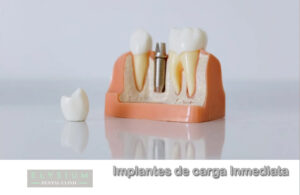
Immediate load dental implants represent a significant advancement in modern dentistry, allowing for rapid and effective rehabilitation of oral functionality and aesthetics.
Unlike conventional implants, which require a healing period of several months before placing the definitive prosthesis, immediate load implants allow for the placement of a provisional crown in the same surgical procedure or within a few hours.
However, the interdental area poses specific challenges in this type of treatment, due to its complex anatomy and the need for precision to ensure functionality, aesthetics, and periodontal health.
Below, we explore the key aspects of this technique and the challenges faced in the interdental area.
1. What are Immediate Load Implants?
Immediate load implants are a dental rehabilitation technique where an implant is placed in the maxillary or mandibular bone and, almost immediately, a provisional crown or prosthesis is placed to restore the function and aesthetics of the patient’s smile. This procedure is designed to avoid waiting for months of healing and to reduce the discomfort associated with long periods without teeth in the affected area.
Benefits of Immediate Load Implants:
· Reduced treatment time: The technique avoids long periods without functional and aesthetic rehabilitation, which is more comfortable for the patient.
· Preservation of alveolar bone: By placing an implant and a temporary crown, bone resorption that usually occurs when there are no teeth in an area for a long time is reduced.
· Immediate aesthetics: The patient can leave with a provisional smile on the same day of the procedure.
2. Challenges of Implants in the Interdental Area
The interdental area (the space between two teeth) is especially sensitive in implant treatments and poses significant challenges that the dentist must manage with precision.
Anatomical and Health Factors:
· Limited space: The proximity of adjacent tooth roots reduces the space for the implant, making detailed planning and precise placement essential.
· Bone quality and quantity: In some patients, the bone in the interdental area may be insufficient or of low density, making implant stability difficult.
· Soft tissue health: The gum in the interdental area is crucial for the aesthetics and functionality of the implant. Preservation of papillae (tissue between teeth) is essential for optimal aesthetic results.
Potential Risks in the Interdental Area:
· Bone resorption: Without good bone support in the area, the implant may be compromised.
· Infections: Being in close contact with adjacent teeth, the risk of bacterial contamination or infection is higher if proper hygiene is not maintained.
· Compromised aesthetics: Especially in the frontal area, aesthetics is a priority; loss of papillae or poor fit of the prosthesis can significantly affect the appearance of the smile.
3. Techniques to Overcome Challenges in the Interdental Area
There are several advanced strategies and techniques to address the challenges of immediate load implants in the interdental area:
· Digital planning and 3D scans: The use of computed tomography and planning software allows dentists to evaluate the available space, bone density, and ideal position for the implant with great precision.
· Smaller diameter implants: In areas with limited space, reduced-diameter implants are an effective option to avoid contact with adjacent roots.
· Papilla preservation techniques: These techniques aim to protect the health and appearance of interdental papillae, ensuring a natural aesthetic and minimizing the risk of dark spaces in the area.
· Bone grafts and regenerative materials: In case of bone insufficiency, bone grafts and regenerative materials allow for increased bone density, providing a solid foundation for implant placement.
4. Postoperative Care and Maintenance
The success of immediate loading implants in the interdental area largely depends on postoperative care and the patient’s commitment to dental hygiene and maintenance:
· Interdental hygiene: It is essential for the patient to maintain a rigorous hygiene routine, including the use of dental floss or interproximal brushes to prevent plaque buildup between the implant and natural teeth.
· Habit control: Habits such as smoking or teeth grinding can compromise implant integration. It is advisable to avoid tobacco and consider dental guards if there is bruxism.
· Regular dental visits: Periodic check-ups allow the specialist to evaluate the health of the implant and surrounding tissues, as well as perform professional cleanings to prevent peri-implantitis (infection of the tissues around the implant).
5. Benefits of Comprehensive Oral Rehabilitation with Immediate Loading Implants
For patients who need to rehabilitate their smile quickly and effectively, immediate loading implants are an ideal solution that not only restores aesthetics but also functionality. In addition to improving the patient’s confidence and quality of life, comprehensive rehabilitation with immediate loading implants helps preserve the health of the bone structure and soft tissues in the area.
Conclusion
The immediate loading implant technique represents an innovative and effective solution for comprehensive dental rehabilitation, although the interdental area poses challenges that require precise planning and advanced techniques.
Overcoming these challenges allows the patient to enjoy functional and aesthetic rehabilitation in less time, with results that can transform their smile and improve their overall well-being. Collaboration between the patient and the dental professional is key to maintaining long-term results, ensuring a healthy and attractive smile.

CARILLAS BARRIO SALAMANCA
Encuentra las carillas de zirconio en Madrid, Carillas sin tallado en nuestra Clínica Dental Elysium

IMPLANTE DENTAL
Un implante dental es una raíz artificial de titanio que se coloca en los maxilares.

CORONAS DENTALES BARRIO SALAMANCA
En Elysium encotrarás tres tipos de coronas, Coronas de Zirconio, porcelana y metal-porcelana.
VENEERS IN MADRID
Veneers are dental covers that are placed on or over the tooth. They can be thin porcelain sheets or no-prep veneers, zirconia veneers, ceramic veneers, or composite veneers.
ZIRCONIUM VENEERS
Zirconia veneers have a translucent appearance. They are indistinguishable from your own teeth. It is the best option when seeking a highly aesthetic result.
NO-PREP VENEERS
The secret of veneers is the use of ultra-thin porcelain, approximately 0.2 – 0.6 mm. We can compare them to the size of a contact lens.